


Low-carbon transportation - what does it mean and how does it change the future of logistics?
Table of Contents:

What exactly is low-carbon transportation?
Although most people equate low-carbon transportation with electric cars, its definition is much broader. It encompasses a systemic concept of mobility, with the goal of minimizing environmental impact at every stage of transportation. It is not only vehicles with alternative drives, such as electric (BEV) or hydrogen (FCEV), but also advanced biofuels that do not conflict with food production or contribute to forest degradation. Additionally, it includes optimization of operations supported by digitization and artificial intelligence. It enables precise route planning, as well as the reduction of empty runs.
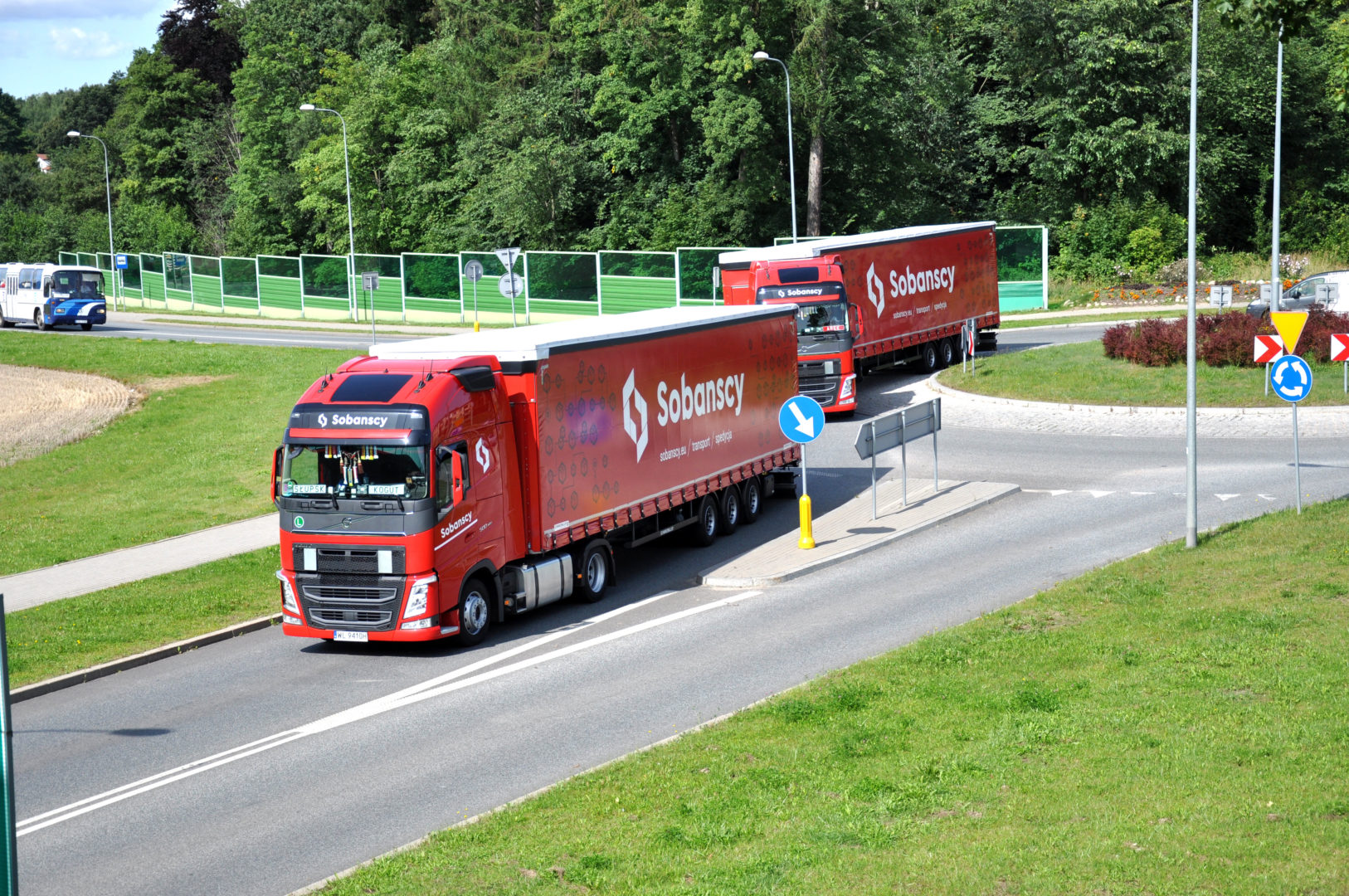
In the company Sobanskis These solutions are implemented in daily operations - from fleet selection to intelligent route planning and real-time cargo monitoring.
EU regulations and Polish regulations - low-emission transport
Transformation to low-carbon transport is supported by regulations European Union - in particular by the package Fit for 55 As part of the European Green Deal. It assumes a 55% reduction in greenhouse gas emissions by 2030, the inclusion of transportation in the ETS, and the development of alternative fuel infrastructure (in accordance with the AFIR regulation).
In Poland, the basis for these changes are Law on electromobility and alternative fuels and National Policy Framework for Alternative Fuels (KRPPA).. They set targets for the number of charging points and hydrogen stations. These regulations create an environment in which transportation companies can develop their low-carbon solutions.
The economics of low-emission transportation
Decisions to switch to low-emission transportation are increasingly driven not only by environmental considerations, but also by economic ones. An analysis of total cost of ownership and operation (TCO) shows that electric vehicles in the light-duty segment are achieving price competitiveness with combustion vehicles. Lower charging, service, and repair costs mean that the initial expense of purchasing a car of this type is offset by significant operational savings.In the heavy transport segment, on the other hand, an important role is being played today by LNG and BioLNG fueled tractors, which reduce emissions as well as operating costs at the same time.Public infrastructure - support for green fleet
The development of low-emission transportation in Poland, despite the rapid growth of the vehicle fleet, faces infrastructure challenges. Reports indicate the need for a significant acceleration in the construction of charging points and hydrogen refueling stations to meet the targets set by AFIR and KRPPA regulations.
In this context, private initiatives such as the construction of the company's own 24/7 LNG stations Sobanskis play a significant role. They not only provide access to fuel for our fleet, but also support a broader network of low-carbon transportation, exemplifying a proactive approach to building the necessary facilities. This demonstrates that the success of the transition depends on coordinated action by both the public and private sectors, including investment in smart energy management solutions to ensure the stability of the national electricity system.
Responsible logistics - summary
Low-carbon transportation today is not an option, but a strategic direction for the entire industry. It combines technology, economics, and environmental responsibility. Our commitment to the use of LNG/BioLNG, advanced monitoring, and route optimization is proof that responsible logistics is both possible and profitable. We believe that by consistently implementing low-carbon strategies, we are contributing to a more sustainable future for all of us, while providing the highest level of service to our customers.
Contact
Contact us to find out how we can help your company build an efficient and low-carbon supply chain.

Author
Sobanscy TransportRelated posts
How do green transportation solutions affect the logistics industry?
Growing concerns about the condition of the planet, reinforced by European Union directives